Reviewing Watercolor Christmas Deer Cliparts for Stitching
As an embroidery designer who has spent years translating digital art into thread, I approach every new asset with a mix of excitement and skepticism. We have all been there: you find a beautiful graphic online, imagine it perfectly stitched on a holiday tote, purchase the file, and then realize the nuances that look stunning on a screen become a nightmare under the needle. This is why my evaluation of Watercolor Christmas Deer Cliparts focuses less on aesthetic appreciation and more on practical application. These are not just pretty pictures; they are potential design assets for your next craft business launch, and they need to hold up in the real world.
The Visual Personality and First Impressions
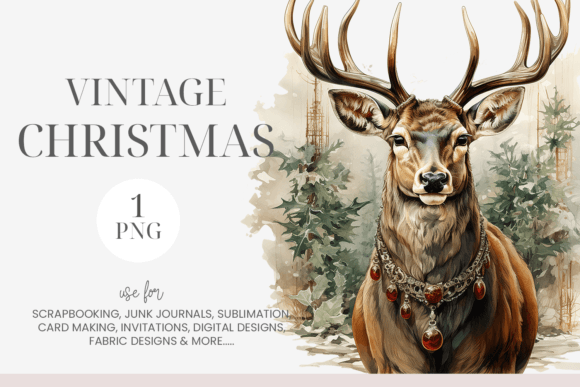
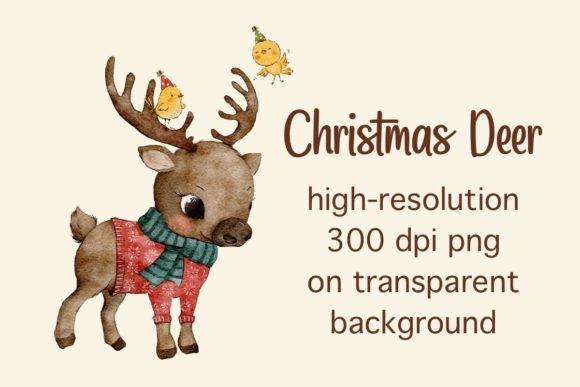
The first thing that strikes me about this collection is the softness. Unlike vector-based clipart with hard, unforgiving lines, these watercolor illustrations rely on bleeding edges and translucent layers. For a designer, this creates a specific mood: nostalgic, gentle, and organic. It feels less like a corporate holiday card and more like a hand-painted gift tag. However, this artistic style presents a unique challenge for embroidery. Watercolor effects depend on gradient transitions that threads cannot naturally replicate without complex techniques. When I look at these Illustrations, I am immediately thinking about how to simplify the color palette without losing the ethereal quality of the original art. The deer motifs are elegant, avoiding the cartoonish tropes often seen in seasonal designs, which makes them suitable for higher-end boutique products rather than just children’s wear.
Real-World Application: The Holiday Tote Scenario
To truly test the viability of Watercolor Christmas Deer Cliparts, let’s walk through a common scenario. Imagine you are preparing a custom order for a local boutique: a set of canvas tote bags for holiday gift-giving. You want to feature the deer design prominently. On a screen, the watercolor background looks dreamy. But when you digitize this for a machine embroidery design, you have to make critical decisions. If you attempt to stitch every subtle shade of blue and gray from the watercolor wash, your stitch density will skyrocket, resulting in a stiff, heavy patch that ruins the drape of the canvas.
In this context, I would recommend using the deer silhouette as the primary focus and treating the watercolor background as a guide for thread selection rather than a literal map. By selecting three to four key thread colors that capture the essence of the watercolor bleed, you can create a fill stitch pattern that suggests the texture without overwhelming the fabric. This approach ensures the finished product remains soft and flexible, which is crucial for a functional item like a tote. Customers buying handmade items expect durability alongside beauty, and over-digitizing a delicate watercolor image can compromise both.
Fabric Considerations and Stitching Clarity
The success of any embroidery project relies heavily on the interaction between the design and the fabric texture. With Watercolor Christmas Deer Cliparts, the lack of sharp, high-contrast outlines means you must be careful with your material choice. On a textured fabric like linen or heavy cotton, the soft edges of the design might get lost if the thread weight is too fine. Conversely, on smooth performance fabrics or silk blends, the design will pop, but you risk visibility of the backing material if your coverage isn’t dense enough.
I strongly advise against using these designs on dark fabrics unless you are prepared to use a significant amount of white or light-colored underlay stitching. Watercolor aesthetics thrive on light and transparency. Trying to force a pastel watercolor deer onto a black sweatshirt often results in a muddy appearance unless you utilize an applique design technique. In an applique scenario, you could stitch the outline, place a piece of light fabric, and then stitch the details, effectively bringing the watercolor brightness to life on dark garments. This is a pro-tip for any Etsy seller looking to expand their product line beyond white or cream bases.
Navigating Technical Challenges
There are specific areas where Watercolor Christmas Deer Cliparts requires cautious handling. Small hoop sizes are particularly tricky. If you shrink the design to fit a 4x4 inch hoop for a baby onesie or a pocket detail, the subtle gradients may merge into indistinguishable blobs. Embroidery machines have physical limits; they cannot replicate the infinite resolution of a digital image. Therefore, always check the minimum recommended size provided by the digitizer. If that information is missing, run a test stitch on scrap fabric. Look for "bird nesting" or thread breaks in the detailed antler areas, which are common failure points in intricate designs.
Furthermore, consider the stabilizer you use. For lightweight fabrics like chiffon or thin cotton, a cut-away stabilizer is non-negotiable to prevent puckering, especially if the design covers a large area. The visual appeal of a watercolor design is ruined by fabric distortion. For caps or curved surfaces, the challenge increases. The deer’s antlers, often featuring fine tips, may not lay flat on a curved crown. In such cases, simplifying the design or using a satin stitch border to define the edges can help maintain clarity.
Commercial Value and Brand Consistency
From a business perspective, using Watercolor Christmas Deer Cliparts can elevate your brand perception. It signals a move away from generic, mass-produced aesthetics toward something curated and artistic. This is vital for small shop product differentiation. When customers see a personalized gift with a sophisticated, painterly look, they perceive higher value. However, consistency is key. If your shop usually features bold, modern geometric embroidery, suddenly introducing soft watercolor deer might confuse your brand identity. Ensure this style aligns with your overall catalog.
For commercial embroidery projects, such as corporate holiday gifts or wedding favors, these designs offer a neutral yet festive option that appeals to a broad audience. They are not overly religious or culturally specific, making them safe for diverse client bases. Just remember to verify the licensing terms. Many clipart collections allow for personal use but require an extended license for commercial sales of physical goods. Never assume; always read the fine print to protect your business.
Practical Designer Notes for Best Results
Before you commit to production, follow these steps to ensure quality:
- Test on Scrap Fabric: Always stitch a sample on the exact fabric type you plan to use. Check for puckering and thread tension issues.
- Check Color Contrast: View your design in grayscale. If the details disappear in black and white, they will likely lack definition when stitched.
- Review Stitch Density: High density leads to stiffness. Ask your digitizer if the file is optimized for softness, or adjust settings if you have the software.
- Confirm Hoop Size: Ensure the design fits your machine’s maximum hoop area without requiring excessive re-hooping, which can cause alignment errors.
- Inspect Small Details: Zoom in on the antlers and eyes. Are the stitches too short? Will they pull out after washing?
- Mockup Testing: Create digital mockups on both light and dark backgrounds to visualize contrast before stitching.
- Licensing Verification: Confirm whether the digital embroidery file allows for unlimited sales or if there is a cap on the number of finished items.
In conclusion, Watercolor Christmas Deer Cliparts offers a beautiful, sophisticated avenue for holiday embroidery, provided you respect the technical limitations of the medium. By focusing on simplification, proper stabilizer use, and thoughtful fabric pairing, you can transform these delicate illustrations into durable, high-value handmade products. Whether you are creating a sweatshirt embroidery piece for a client or a batch of embroidered patches for your online store, the key lies in balancing artistic vision with mechanical reality.