Reviewing Christmas Cockatiel Broken Wall 1 for Real Stitching
As an embroidery designer who has spent years digitizing patterns and critiquing files for commercial use, I approach every new machine embroidery design with a mix of curiosity and skepticism. We have all seen those beautiful digital previews that look flawless on a screen but turn into a tangled mess of thread breaks and puckering once they hit the fabric. That is why I took a close, practical look at Christmas Cockatiel Broken Wall 1. This piece falls under the category of Illustrations, which immediately signals that it relies on visual storytelling rather than just simple geometric repetition. For those of us running a craft business or selling on Etsy, understanding how such a design behaves in the real world is critical before we commit to production.
First Impressions and Visual Personality
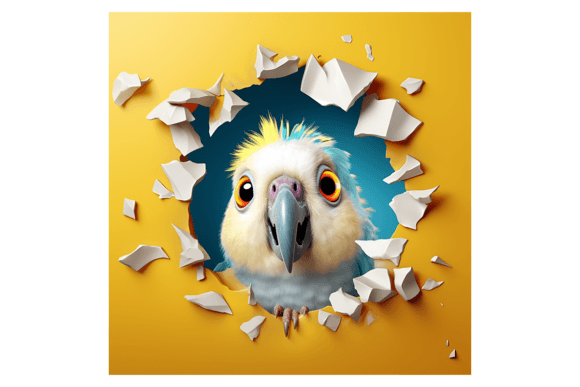
The first thing that strikes you about Christmas Cockatiel Broken Wall 1 is its whimsical yet structured composition. The concept of a "broken wall" suggests a trompe-l'oeil effect, where the embroidery creates the illusion of depth or a reveal behind a solid surface. When combined with a cockatiel—a bird known for its charming crest and expressive eyes—the design carries a playful, holiday-ready mood. It does not scream "generic Christmas"; instead, it offers a niche appeal that fits perfectly with modern, nature-inspired holiday decor.
From a layout perspective, the balance between the bird and the architectural elements is key. In many embroidery file reviews, I look for how the digitizer handles transitions between dense areas and open spaces. Here, the visual personality feels light enough for apparel but detailed enough for home decor. The theme bridges the gap between traditional holiday motifs and contemporary pet-loving culture, making it a strong candidate for personalized gift markets where customers seek something unique for bird owners or animal enthusiasts.
Real-World Application: The Tote Bag Test
To truly evaluate this design, I imagined applying it to a common small shop product: a heavy canvas tote bag. This is a staple for any Etsy seller during the holiday season. The "broken wall" aspect of Christmas Cockatiel Broken Wall 1 would work exceptionally well here because canvas provides a stable, non-stretch foundation. The structural lines of the wall illusion can be executed with clean running stitch or light satin stitch borders, while the cockatiel itself might utilize fill stitch techniques to capture the texture of feathers.
If I were producing this for a client, I would consider how the thread colors interact with the natural beige or white of the canvas. A cockatiel typically features grey, white, and yellow tones, with perhaps a splash of orange on the cheek. These subtle colors require high-quality thread to stand out against a textured fabric. The design’s clarity is crucial; if the details are too fine, they might get lost in the weave of the canvas. However, assuming the digitizing respects the scale, this embroidery project would result in a sophisticated handmade product that feels boutique-quality rather than mass-produced.
Apparel and Wearable Considerations
Moving beyond bags, let us consider custom apparel, specifically a holiday sweatshirt. Sweatshirt embroidery presents different challenges due to the fleece backing and potential stretch of the fabric. Christmas Cockatiel Broken Wall 1 would need careful handling here. The "broken wall" effect implies straight lines and sharp angles, which can distort if the garment stretches. I would recommend using a cut-away stabilizer to maintain the integrity of the design over time.
For a tote bag design or a pillow cover, the stiffness is an asset. For a sweatshirt, it is a hurdle. If the design includes tiny details in the bird’s eye or the cracks of the wall, these must be large enough to stitch cleanly without excessive density. High stitch density on a fleece garment can cause puckering, ruining the finished product. Therefore, this design is best suited for chest placements or larger back prints where the hoop size allows for proper stabilization, rather than cramped sleeve or cuff areas.
Navigating Technical Challenges
While Christmas Cockatiel Broken Wall 1 is visually appealing, there are specific scenarios where it requires caution. Any design featuring illusionary elements like broken walls relies heavily on precise alignment. If you are stitching on textured fabrics like terry cloth towels or waffle-knit aprons, the fine lines of the "wall" might disappear or look jagged. In such cases, simplifying the background elements or increasing the line weight during the digitizing phase (if you have access to the source) might be necessary.
Another critical area is dark fabric. If you plan to stitch this on a navy or black garment, you must ensure that the design does not rely solely on subtle shading. The cockatiel’s lighter feathers will pop, but the shadowed parts of the wall illusion might vanish. Using a lighter underlay or choosing high-contrast thread colors becomes essential. Additionally, if this is intended as an applique design, where fabric pieces are used to create the wall or bird, the complexity increases. You must ensure the cut lines are clear and that the applique fabric does not fray into the detailed areas of the cockatiel’s crest.
Commercial Viability and Brand Consistency
For commercial embroidery professionals, the value of a design lies in its versatility and speed. Christmas Cockatiel Broken Wall 1 offers a unique selling point because it targets a specific niche: bird lovers celebrating Christmas. This specificity can drive higher engagement on social media and in printable mockup galleries. Customers are drawn to designs that reflect their specific passions. By offering this on items like embroidered patches for jackets or baby embroidery on onesies (scaled down appropriately), you expand your market reach.
However, brand consistency is vital. If your shop focuses on minimalist, modern aesthetics, this illustrative style must fit within that framework. The design should not look cluttered. I advise reviewing the design assets in black and white mockups first. If the silhouette holds up without color, the design is structurally sound. This step helps predict how the holiday embroidery will look from a distance, ensuring it catches the eye of potential buyers browsing online marketplaces.
Practical Notes for the Embroiderer
Before you load this digital embroidery file into your machine, take these practical steps to ensure success. First, always test the design on scrap fabric that matches your final project material. This allows you to check tension and thread breaks without risking your main garment. Second, verify the hoop size requirements. Illusion designs often need a larger frame to accommodate the full breadth of the "wall" effect without cropping essential details.
Check the license terms carefully. As a creative entrepreneur, you need to know if this design is cleared for commercial use on physical goods. Most designers allow selling finished items, but restrictions may apply to digital redistribution. Finally, consider the washing instructions for your finished product. Designs with high detail and varied stitch types may require gentle washing to preserve the intricate feather textures and the sharp lines of the broken wall illusion. By treating Christmas Cockatiel Broken Wall 1 with the technical respect it deserves, you can transform a simple digital file into a standout piece of wearable art or home decor.