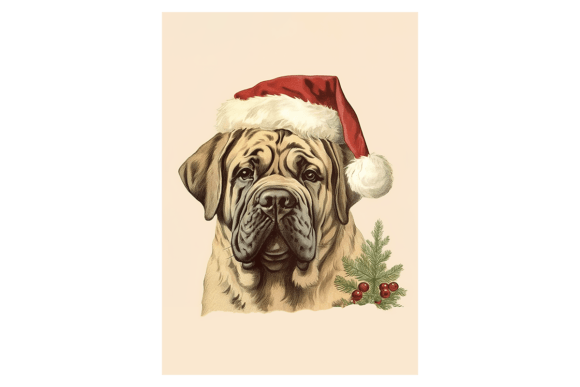
Reviewing Puppies Christmas Card for Holiday Embroidery
As an embroidery designer who has spent countless hours digitizing and stitching thousands of designs, I approach every new machine embroidery design with a critical eye. It is not just about whether the image looks cute on a screen; it is about how those lines translate into thread, how the fabric reacts to the needle penetration, and ultimately, how the finished product holds up in the hands of a customer. Today, I am taking a close look at Puppies Christmas Card, a charming piece from the Illustrations category, to determine its viability for real-world craft business applications.
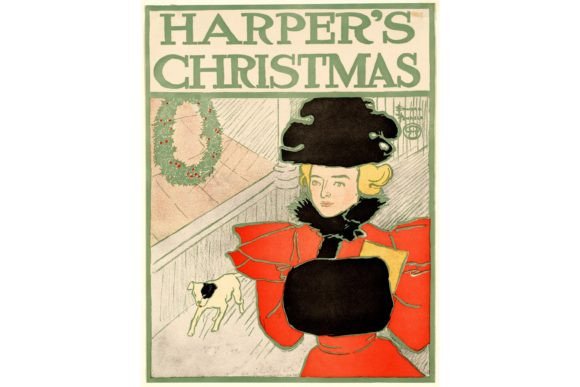
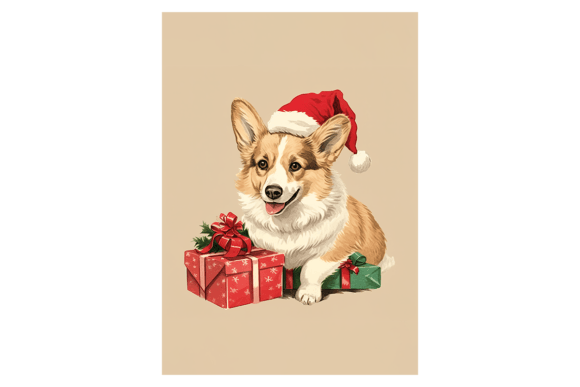
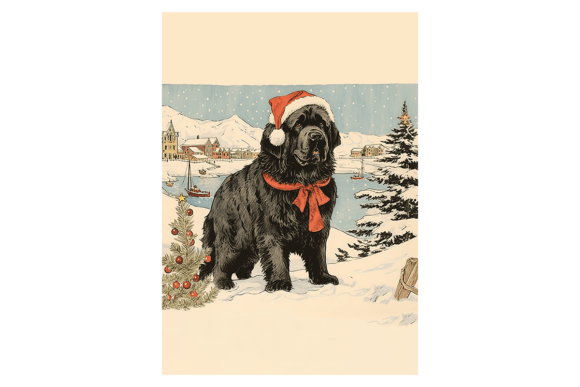
The first impression of Puppies Christmas Card is one of warmth and nostalgic holiday cheer. The layout suggests a playful yet composed scene, likely featuring canine companions in festive attire or settings. For a designer, the immediate question is balance. Does the visual weight distribute evenly? In holiday-themed work, clutter is the enemy. A successful design must breathe. From what I can observe in the preview, this design avoids the common pitfall of excessive detail that turns into a muddy mess when stitched out. The shapes appear distinct, suggesting that the digitizer prioritized clarity over complexity, a choice that pays dividends in production speed and stitch quality.
Real-World Application: The Holiday Tote Bag Test
To truly evaluate Puppies Christmas Card, I imagine placing it on a canvas tote bag, a staple item for any Etsy seller or boutique owner during the fourth quarter. Canvas is a forgiving fabric, but it has a weave that can swallow small details if the stitch density is too low. If this design relies heavily on running stitch outlines without sufficient underlay, the texture of the canvas might interfere with the crispness of the puppy’s features. However, if the design utilizes solid fill stitch areas effectively, it will pop beautifully against the neutral background.
I envision this design as a centerpiece for a personalized gift. Imagine a set of matching tote bags for a family’s holiday shopping or a teacher’s gift. The charm of puppies combined with Christmas motifs creates an instant emotional connection. Customers are not just buying a bag; they are buying a feeling of joy. For a small shop product, this emotional resonance is crucial. The design needs to be legible from a distance, meaning the key elements—perhaps the puppy’s eyes or a festive bow—must be large enough to remain distinct even after the fabric shifts slightly during use.
Apparel and Custom Sweatshirts
Moving beyond accessories, let us consider custom apparel, specifically sweatshirts. This is where Puppies Christmas Card could shine as a focal point on the chest or back. Sweatshirt fleece is thick and plush, which presents unique challenges. A design with high stitch density can cause the fabric to pucker or become stiff, ruining the drape of the garment. If this design includes large solid areas, I would recommend checking if the digitizer used appropriate compensation techniques.
For a sweatshirt embroidery project, the thread choice becomes paramount. A matte rayon or polyester thread might blend too much with the fleece, whereas a slightly shinier thread could provide necessary contrast. The mood of the design suggests soft, warm colors, but testing it in black and white mockups is a smart move. If the design loses its definition in grayscale, it may lack the contrast needed for dark-colored garments, which are popular in winter collections. Always verify how the thread colors interact with the fabric base before committing to a full production run.
Navigating Fabric Textures and Hoop Sizes
One of the most critical aspects of reviewing any embroidery file is understanding its limitations regarding hoop size and fabric type. Puppies Christmas Card appears to be a medium-sized illustration. This makes it versatile for standard 5x7 or 6x10 hoops, but potentially too large for small 4x4 projects unless scaled down significantly. Scaling down is risky. If you reduce the size too much, fine details like whiskers or small decorative elements may merge, resulting in a blob rather than a recognizable shape.
When working with textured fabrics like linen or waffle knit, the stability of the design is tested. I always advise using a cut-away stabilizer for garments that will be washed frequently, especially for baby embroidery items where durability is non-negotiable. For a delicate baby onesie, ensure that the back of the stitching is smooth and does not irritate sensitive skin. Covering the back with a soft fusible interfacing can make a huge difference in the perceived quality of the handmade product.
Considerations for Caps and Curved Surfaces
While Puppies Christmas Card might seem ideal for flat surfaces, applying it to curved items like caps requires caution. The center of the design must align perfectly with the curve of the cap to avoid distortion. If the design has wide horizontal elements, they may warp when stitched on a rounded surface. For an embroidered patch intended for a hat, this design could work well if isolated and backed properly, allowing for pre-stitching stabilization before application.
Commercial Viability and Brand Consistency
For commercial embroidery professionals and craft business owners, consistency is key. Using Puppies Christmas Card across a product line—such as on pillows, towels, and aprons—can create a cohesive holiday collection. However, you must ensure that the style matches your brand identity. If your brand is known for minimalist, modern aesthetics, this illustrative, whimsical design might feel out of place. Conversely, if your brand embraces cozy, traditional, or family-oriented themes, this design is a strong asset.
From a marketing perspective, this design lends itself well to printable mockup creation. High-quality visuals of the design on various products can drive engagement on social media and Etsy listings. The inherent cuteness of puppies combined with holiday themes is highly shareable, potentially increasing organic reach for your digital embroidery file promotions or finished goods.
Practical Designer Notes for Best Results
Before you load this design into your machine, take these practical steps to ensure success:
- Test on Scrap Fabric: Always stitch a test sample on the same type of fabric you intend to use for the final product. This reveals issues with tension, density, and color contrast.
- Check Thread Contrast: Ensure your thread colors stand out against the fabric. If stitching on dark fabric, consider using lighter threads or adding a satin stitch border to define edges.
- Inspect Small Details: Zoom in on the digital preview. Are there tiny elements that might break or tangle? If so, consider simplifying or removing them for smaller hoop sizes.
- Verify Licensing: Confirm the license terms for Puppies Christmas Card. Ensure you have the right to use it for commercial embroidery if you plan to sell finished items. Never assume; always read the terms provided by the designer.
- Stabilizer Selection: Match your stabilizer to the fabric. Use tear-away for stable woven fabrics and cut-away for knits and stretchy materials to prevent distortion over time.
In conclusion, Puppies Christmas Card offers a delightful option for holiday-themed projects. Its strength lies in its emotional appeal and versatility across various design assets. By paying attention to fabric choice, stabilizer support, and scale, you can transform this digital file into a high-value finished product that customers will cherish. Whether for a tote bag design, a cozy sweater, or a festive home decor item, this design has the potential to elevate your holiday offerings with professionalism and charm.