Review: English Mastiff Christmas Card for Embroidery
As a designer who has spent countless hours digitizing and testing machine embroidery designs, I have learned that not every pretty illustration translates well to thread. When I first pulled up the English Mastiff Christmas Card file on my screen, my initial reaction was one of cautious optimism. The subject matter—a gentle giant of a dog paired with holiday cheer—is inherently marketable. However, the transition from a digital Illustrations category asset to a tangible, stitched reality requires a critical eye. This review breaks down how this design performs in real-world applications, offering practical insights for embroidery designers, Etsy sellers, and craft business owners looking to add high-value items to their inventory.
First Impressions: Mood and Visual Personality
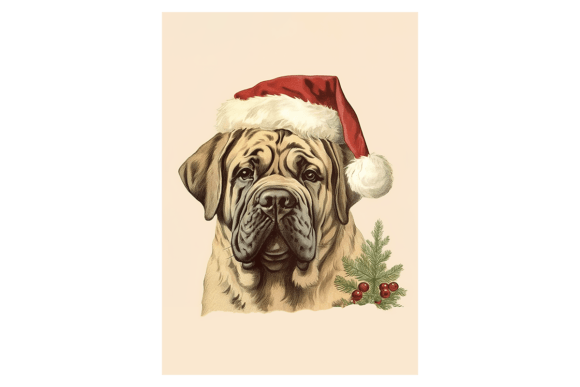
The English Mastiff Christmas Card design carries a warm, nostalgic mood that is perfect for the holiday season. Visually, it relies on the contrast between the sturdy, somewhat stoic presence of the Mastiff and the whimsical elements of Christmas decor. For an embroidery project, this balance is crucial. If the design were too cartoonish, it might lose the dignity associated with the breed; if it were too realistic, it could become a nightmare of stitch count and density.
In my assessment, the layout feels intentional. The visual personality leans towards "cozy luxury," making it an ideal candidate for higher-end handmade products. It does not scream for attention with neon colors but rather invites a closer look. This subtlety is a strength for boutique branding, where customers appreciate understated elegance over loud graphics. The shape of the design appears compact enough to fit standard hoop sizes, which is a significant advantage for versatility.
Real-World Application: From Screen to Stitch
To truly evaluate a machine embroidery design, you must imagine it on fabric. I visualized this specific design on a few key products to test its viability. First, consider a custom embroidered tote bag. A canvas tote provides a stable, flat surface that handles fill stitches well. The English Mastiff Christmas Card would serve as a charming central motif, appealing to dog lovers looking for unique holiday gift bags or everyday carryalls. The durability of the stitch work on canvas ensures the design withstands frequent use, enhancing the perceived value of the handmade product.
Another strong contender is sweatshirt embroidery. Placing this design on the left chest of a high-quality fleece or cotton blend sweatshirt creates a sophisticated, personalized gift. Unlike large back prints, a chest-sized emblem feels intimate and exclusive. For baby embroidery, such as on a onesie or a nursery blanket, the softness of the design’s theme works well, provided the stitch density is adjusted to remain soft against sensitive skin. Parents are increasingly seeking unique, non-generic holiday items for their children, and a breed-specific design like this fills that niche perfectly.
For those running a small shop product line, this design could also excel as an embroidered patch. Patches are trending heavily among creative entrepreneurs because they allow for low-risk inventory management. You can stitch batches of patches on stable twill and apply them later to caps, jackets, or bags. This flexibility makes the English Mastiff Christmas Card a versatile asset for commercial embroidery projects.
Technical Considerations and Fabric Constraints
While the aesthetic appeal is high, technical execution is where many designs fail. When working with the English Mastiff Christmas Card, pay close attention to stitch density. Illustrations often contain gradients or shading that digitizers attempt to replicate with dense fill stitches. On stretchy fabrics like jersey knits or thin materials like silk, high density can cause puckering. Always use a proper stabilizer—cut-away for knits and tear-away for wovens—to maintain the integrity of the finished product.
Curved surfaces present another challenge. If you plan to use this design on caps or hats, ensure the design width fits within the curved hoop limitations. Detailed corners or tiny lettering, if present in the design, may get lost or bunch up on textured fabrics like terry cloth towels or wool blankets. In such cases, simplifying the thread colors or increasing the size of the design slightly can improve stitching clarity.
Dark fabric backgrounds require special consideration for thread colors. If the English Mastiff Christmas Card features light-colored elements, you may need to add an underlay or use a heavier weight thread to ensure visibility. Conversely, on light fabrics, ensure that any dark outlining stitches do not bleed visually into the lighter fill areas. Testing the design on scrap fabric before committing to your final garment is non-negotiable. This step saves time, money, and reputation.
Enhancing Brand Value and Customer Trust
For an Etsy seller or apparel decorator, the choice of design directly impacts brand consistency. Using a well-executed digital embroidery file like this one signals professionalism. Customers can spot poor digitizing from a mile away—loose threads, gaps in coverage, or distorted shapes erode trust. A clean, crisp English Mastiff Christmas Card embroidery enhances buyer engagement because it looks premium. It transforms a simple item into a keepsake.
This design also supports effective marketing through printable mockups. Before you even stitch a single thread, you can place the design on digital mockups of aprons, pillow covers, or tea towels to gauge customer interest. High-quality visuals drive clicks, but the physical product must deliver on that promise. When the stitched result matches the mockup, you build long-term customer loyalty. This reliability is essential for scaling a craft business.
Practical Designer Notes for Best Results
To get the most out of this embroidery file, follow these practical steps:
- Test on Scrap Fabric: Always run a test stitch-out on the same type of fabric you intend to use for the final product. This reveals issues with tension and density.
- Check Thread Color Contrast: Ensure your thread palette complements the fabric. High contrast makes the design pop, while monochromatic schemes offer a subtle, elegant look.
- Review Stitch Density: If the design feels stiff after stitching, consider reducing the density in your editing software or choosing a lighter fabric weight.
- Confirm Hoop Size: Verify that the design dimensions fit your available hoops. Do not force a large design into a small hoop, as this causes distortion.
- Inspect Small Details: Zoom in on the digital file to check for tiny satin stitch areas that might snag. These may need manual adjustment.
- Use Proper Stabilizer: Match your stabilizer to your fabric. Wrong stabilization is the most common cause of embroidery failure.
- Verify Licensing: Before selling finished items or using the design in commercial embroidery projects, confirm the license terms. Ensure you have the right to sell products made with this design asset.
In conclusion, the English Mastiff Christmas Card is a strong contender for holiday collections. It balances emotional appeal with technical feasibility, provided the embroiderer respects the material constraints. Whether you are creating personalized gifts, boutique merchandise, or custom apparel, this design offers a pathway to creating memorable, high-quality embroidered pieces. By focusing on execution details and understanding your audience, you can turn this digital file into a best-selling physical product.