Review: Girl and Poinsettia Christmas Card Design
As a designer who has spent years digitizing patterns and testing them on everything from flimsy rayon to heavy denim, I approach every new machine embroidery design with a mix of curiosity and skepticism. We have all been there: you download a beautiful preview image, only to find the stitch file is a tangled mess of thread breaks and puckering. That is why I took a close look at the Girl and Poinsettia Christmas Card design before committing it to a client project. This piece falls under the category of Illustrations, which immediately sets a high bar for detail and artistic integrity. Here is my practical assessment of how this design holds up in real-world embroidery scenarios.
First Impressions and Visual Mood
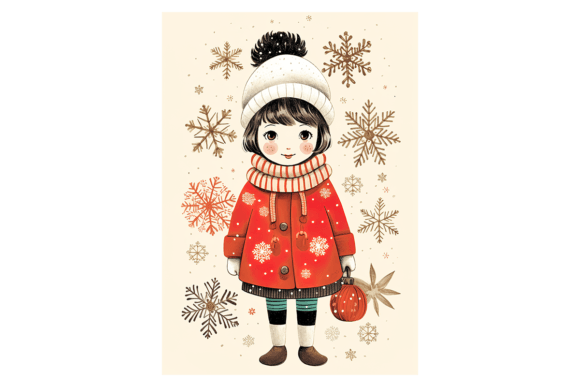
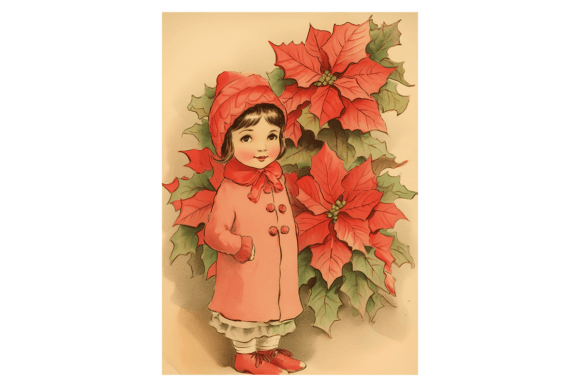
The first thing that strikes you about the Girl and Poinsettia Christmas Card is its narrative quality. It is not just a generic holiday icon; it feels like a storybook moment captured in thread. The composition balances the organic, sharp lines of the poinsettia petals with the softer, likely more rounded features of the girl’s profile or silhouette. This contrast creates a visual rhythm that is pleasing to the eye. For an embroidery project intended to evoke warmth and nostalgia, this mood is perfect. It avoids the cluttered look that plagues so many seasonal designs, opting instead for a cleaner layout that allows each element to breathe.
From a technical standpoint, illustrative designs can be tricky. They often rely on subtle shading and fine lines that do not always translate well to thread. However, this design appears to prioritize clarity. The use of what looks like a combination of satin stitch for the bold outlines and fill stitch for the broader areas suggests a thoughtful approach to stitch density. This balance is crucial because it prevents the fabric from becoming stiff while ensuring the image remains recognizable even from a distance.
Real-World Application: The Holiday Tote Test
To truly evaluate a design, you have to imagine it on a product. I recently worked on a batch of custom canvas tote bags for a local boutique’s holiday collection. The Girl and Poinsettia Christmas Card would be an ideal candidate for this type of handmade product. Canvas provides a stable base that can handle the weight of the stitches without excessive puckering, provided you use the right stabilizer.
In this scenario, the design serves as a central focal point. Because it is an illustration, it appeals to customers looking for something more unique than standard snowflakes or trees. It elevates the perceived value of the finished product. When I visualize this on a natural-colored cotton tote, the vibrant reds of the poinsettia and the skin tones or clothing colors of the girl would pop against the neutral background. This kind of visual appeal drives buyer engagement, especially for Etsy sellers and small shop owners who need their listings to stand out in a crowded marketplace.
Versatility Across Product Lines
Beyond tote bags, this design has strong potential for custom apparel. Imagine it embroidered on the chest of a cream-colored sweatshirt. The softness of the fleece would complement the illustrative style, creating a cozy, high-end feel. It could also work beautifully as a personalized gift element on a baby’s blanket or a nursery decor pillow. For baby embroidery, however, you must be mindful of the stitch count and density. If the design is too dense, it can feel scratchy against sensitive skin. I would recommend using a soft cut-away stabilizer and perhaps reducing the density slightly if your machine software allows, to ensure comfort.
For those running a craft business, versatility is key. This design could easily be scaled down for an embroidered patch or a hat brim, though you must check the minimum hoop size requirements. If the details are too fine, they may get lost when shrunk. Conversely, scaling it up for a pillow cover requires checking that the stitch lengths do not become too long and prone to snagging.
Technical Considerations and Fabric Choices
While the aesthetic is strong, practical execution requires attention to detail. One area where illustrative designs often struggle is on textured or stretchy fabrics. If you plan to use the Girl and Poinsettia Christmas Card on a knit t-shirt or a jersey cap, you must use a high-quality stabilizer. A tear-away might not provide enough support for the intricate parts of the illustration, leading to distortion. I always advise testing on scrap fabric first. This simple step saves hours of frustration and wasted materials.
Thread colors play a massive role in how this design performs. Since it is an illustration, color blending is likely important. If you are using lower-quality threads that fray easily, the fine details of the girl’s features or the poinsettia veins might look messy. Invest in good rayon or polyester threads to maintain the crispness of the design. Additionally, consider how the design looks on dark fabrics. If the original digitizing assumes a light background, you may need to add an underlay or adjust the thread palette to ensure visibility on navy or black garments.
Navigating Dense Stitch Areas
Any design with significant fill areas risks becoming a "cardboard" patch on your fabric. This is particularly relevant for commercial embroidery where turnover speed and fabric hand-feel matter. Inspect the digital embroidery file before stitching. Look for overlapping stitches or unnecessary compounding of layers. If the poinsettia leaves are heavily filled, ensure there is adequate pull compensation to prevent the fabric from gathering. For curved surfaces like caps, this is even more critical. The tension must be perfectly balanced to avoid warping the final look.
Business Value and Brand Consistency
For creative entrepreneurs and apparel decorators, the choice of design reflects brand identity. Using a high-quality illustrative piece like the Girl and Poinsettia Christmas Card signals professionalism. It shows that you care about artistry, not just output volume. This builds customer trust. When a client receives a holiday embroidery item that looks clean, balanced, and artistic, they are more likely to return for future purchases or recommend your small shop product to others.
Moreover, this design works well for printable mockups and digital previews. Because the lines are distinct, it photographs well. Clear, high-resolution images of your stitched samples are essential for online sales. A muddy or poorly stitched design will not sell, no matter how good the concept is. This design’s clarity gives you a strong advantage in marketing materials.
Final Designer Notes
Before you load this into your machine, here is a quick checklist for success:
- Check Licensing: Confirm whether the license allows for commercial use if you plan to sell finished items. Never assume; always read the terms provided with the embroidery file.
- Test Stitch Out: Always run a test on similar fabric to what you will use for the final product. Check for thread breaks and registration issues.
- Evaluate Detail Level: If stitching on a small hoop, ensure the tiny details of the illustration remain clear. You may need to simplify or enlarge the design.
- Contrast Check: View the design in black and white on your screen. If the elements blend together, you may need to adjust thread choices for better definition.
- Stabilizer Selection: Match your stabilizer to your fabric. Woven fabrics may need cut-away, while stable wovens might handle tear-away.
In conclusion, the Girl and Poinsettia Christmas Card is a strong contender for your holiday lineup. It offers the artistic flair of an illustration with the practicality needed for various design assets. Whether you are creating a sweatshirt embroidery piece for a boutique or a personalized gift for a neighbor, this design holds up under scrutiny. Just remember that the best results come from understanding your materials and respecting the technical limits of your machine. Happy stitching.