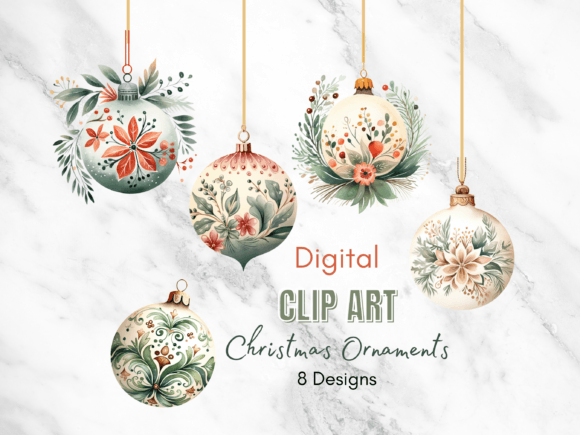
Christmas Ornament Clip Art: Illustrations for Design
When a local boutique owner approached me last month to refresh their holiday packaging, the brief was clear but challenging. They needed visuals that felt festive without leaning into the clichéd, mass-produced aesthetic that saturates the market in December. I spent hours sifting through various libraries before landing on a specific set of Christmas Ornament Clip Art. As an experienced graphic designer, I do not just look at pretty pictures; I evaluate how an asset performs under the pressure of real-world application. This review breaks down my professional assessment of these Illustrations, focusing on their utility for brand owners, marketers, and fellow creatives who need reliable, high-quality assets for client projects.
First Impressions: Mood and Visual Style
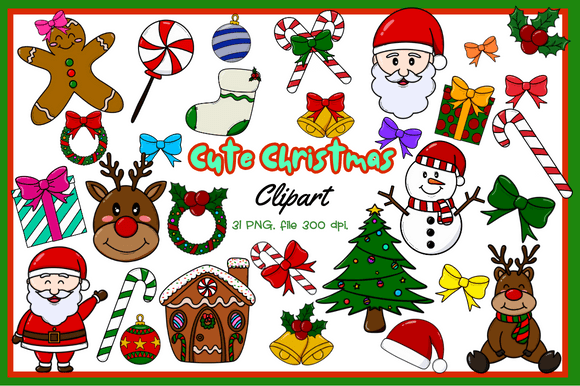
The immediate impact of this graphic design asset is its balance between whimsy and sophistication. The style avoids the overly cartoonish look that can undermine a premium brand, opting instead for a hand-drawn yet polished aesthetic. The lines are clean, suggesting a vector origin, which is crucial for scalability. For a designer, this means the asset can stretch from a tiny favicon to a large-format banner without losing integrity. The mood is warm and inviting, evoking nostalgia while remaining fresh enough for modern design trends. It fits seamlessly into projects targeting families, handmade goods enthusiasts, and lifestyle brands looking to add a touch of seasonal charm without sacrificing elegance.
Versatility in Real Client Projects
In my practice, versatility is the primary metric for any digital product. I tested these ornaments across a wide spectrum of deliverables. For packaging design, the clip art worked beautifully as a repeating pattern on tissue paper and as a focal point on gift tags. The transparency in the PNG design files allowed for easy layering over textured backgrounds, a common requirement in printable design workflows.
For digital applications, I integrated the assets into social media graphics for Instagram and Pinterest. The visual weight of the ornaments provided enough presence to stop the scroll, yet they did not overpower the accompanying copy. When creating a Canva template for the client’s email newsletter, the elements served as perfect decorative accents, framing the header and footer without cluttering the message. This adaptability makes them ideal for marketing visuals where quick turnaround times are essential.
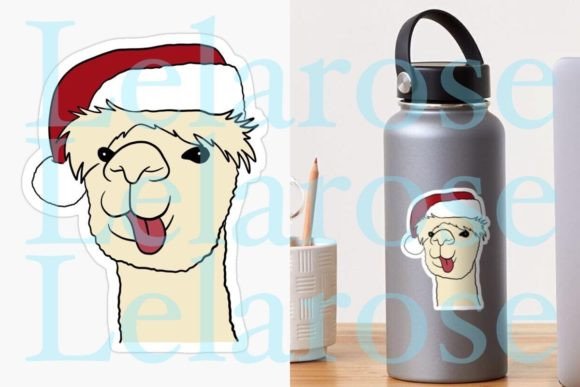
Crafters and small business branding experts will find significant value here. I simulated a Cricut project by converting the vectors into cut files. The paths were closed and clean, requiring minimal cleanup before sending to the cutter. This makes the set excellent for sticker design, custom t-shirt design, and iron-on transfers. For those in the print-on-demand space, these Illustrations offer a ready-made solution for mugs, tote bags, and holiday cards, reducing the time spent on initial sketching.
Strategic Placement and Visual Hierarchy
Understanding where to place these assets is key to maintaining visual hierarchy. In large layout areas, such as hero images on a website or front-facing product mockup displays, the ornaments act as strong anchor points. They draw the eye and establish the seasonal theme immediately. However, in crowded layouts, caution is required. Because the details are intricate, using them as background elements behind small text can reduce readability. I recommend using them as supporting brand elements rather than the primary focus when dealing with dense information, such as in editorial design or detailed flyers.
For logo design, these assets work best as secondary icons or seasonal variations of an existing mark. Using them as the core of a permanent logo might limit the brand’s relevance to the holiday season, but they are perfect for temporary campaign visuals or limited-edition Etsy product launches. The emotional appeal is high, fostering a sense of trust and warmth that encourages audience engagement.
Technical Considerations for Professional Use
Before delivering any final files to a client, I run a series of technical checks. First, I test the SVG design files in multiple vector editors to ensure node consistency. This is vital for commercial design where edits are inevitable. I also verify the PNG design transparency by placing the assets on both pure white and deep black backgrounds to check for halo effects or jagged edges. In this case, the edges were crisp, indicating high-resolution source files.
Typography pairing is another critical factor. I experimented with various font styles to see what complemented the ornament shapes. A classic serif font enhanced the traditional feel, while a clean sans serif created a contemporary contrast. Script and handwritten fonts added a personal, artisanal touch, suitable for handmade business contexts. Display fonts worked well for headlines but required careful spacing to avoid colliding with the intricate details of the clip art.
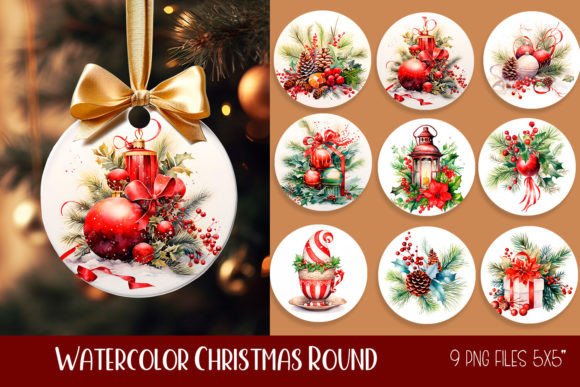
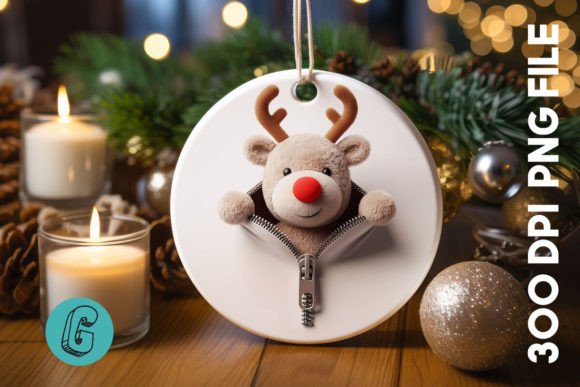
Print quality is non-negotiable. I printed test sheets on both matte and glossy stock. The colors remained vibrant, and the lines stayed sharp, confirming their suitability for high-end packaging design and printable wall art. For sublimation projects, the color profile held up well, ensuring that the final sublimation design on ceramics or fabrics matched the digital proof.
Licensing and Commercial Viability
For any professional designer, the legal aspect is as important as the aesthetic. Before using any design bundle for a client, I strictly review the license terms. This set comes with a commercial license, which is essential for agencies and freelancers creating assets for sale or client promotion. It allows for use in web design, physical products, and advertising materials. However, it is always prudent to confirm if there are restrictions on the number of units sold or if attribution is required, especially when listing items on a creative marketplace.
Using licensed design assets protects both the designer and the client from copyright issues, ensuring that the brand identity remains secure and professional. This peace of mind is invaluable when managing multiple projects with tight deadlines.
Final Verdict for Designers and Creators
After extensive testing, I conclude that this Christmas Ornament Clip Art is a robust addition to any designer’s toolkit. It bridges the gap between playful festivity and professional polish. Whether you are a blogger looking for engaging Illustrations for holiday posts, a marketer crafting seasonal ads, or a crafter preparing for the holiday rush, these assets deliver consistent quality. They enhance the overall impression of a design project by adding a layer of thoughtful detail that resonates with audiences. By carefully considering placement, contrast, and licensing, you can leverage these clipart elements to create memorable, effective, and visually stunning holiday campaigns.