Baby Polar Bear Christmas Illustrations Review
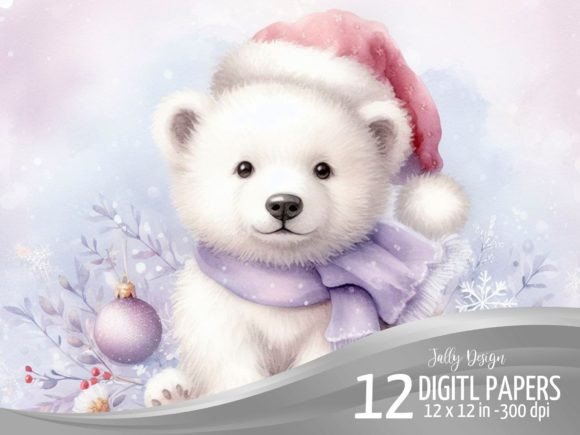
As a brand designer and content marketer, I spend countless hours sifting through digital marketplaces for assets that do more than just fill space. I look for graphic design assets that carry emotional weight, support narrative, and integrate seamlessly into existing brand identity systems. Recently, I evaluated the Adorable Baby Polar Bear at Christmas for an upcoming winter campaign for a small lifestyle brand. This review breaks down how this specific asset performs in real-world marketing scenarios, from social media graphics to packaging design.
First Impressions: Mood and Audience Perception
The immediate impact of the Adorable Baby Polar Bear at Christmas is one of warmth and nostalgia. In a crowded digital landscape, where consumers are bombarded with high-contrast, aggressive advertising, softness is a strategic advantage. This illustration creates a mood of gentle celebration. It does not scream for attention; instead, it invites the viewer in. For brands targeting families, parents, or audiences seeking comfort during the holiday season, this emotional tone is invaluable.
From a visual consistency standpoint, the asset feels suitable for casual branding, handmade products, and lifestyle content. It lacks the rigid structure required for corporate finance or tech sectors, but it excels in contexts where audience trust is built through relatability and charm. If your brand voice is approachable, playful, or heartfelt, this illustration aligns perfectly with those values.
Integrating the Asset into Real Marketing Workflows
I tested this asset within a hypothetical project: a small business launching a limited-edition holiday gift box. The goal was to create a cohesive design bundle that spanned digital ads, email banners, and physical packaging. Here is how the Adorable Baby Polar Bear at Christmas performed across various touchpoints.
Social Media and Digital Ads
For social media graphics, particularly on Instagram and Pinterest, the asset serves as an excellent focal point. Its clear lines and distinct character make it recognizable even in thumbnail sizes. When used in Pinterest pins, the illustration draws the eye without overpowering the text overlay, provided there is adequate negative space. In Facebook ads and digital ads, it helps humanize the brand. Instead of showing just a product, the bear adds a layer of storytelling, suggesting that the product is part of a cozy, memorable holiday experience.
When creating Canva templates for clients, this type of clipart or illustration is highly versatile. It can be layered over pastel backgrounds or paired with textured paper effects to create depth. The key is maintaining visual hierarchy. The bear should guide the eye toward the call-to-action, not distract from it.
Packaging Design and Product Labels
One of the strongest use cases for this asset is in packaging design. For a product label on a candle, cookie tin, or children’s book, the Adorable Baby Polar Bear at Christmas adds immediate shelf appeal. It transforms a generic item into a giftable object. In my test, I placed the illustration on a matte white box with foil-stamped typography. The contrast between the detailed illustration and the minimal text created a premium feel. This demonstrates how a single creative design element can elevate perceived value.
For printable design elements like gift tags or stickers, the asset works well because it is self-contained. It does not require complex backgrounds to make sense, which reduces printing costs and complexity for small business owners.
Strategic Benefits for Brand Communication
Using a specialized asset like this supports several critical marketing goals. First, it strengthens brand recognition. If used consistently across a seasonal campaign, the baby polar bear becomes a mascot of sorts, creating a visual anchor for the audience. Second, it fosters an emotional connection. Holidays are emotionally charged times; leveraging cute, nostalgic imagery taps into positive feelings associated with family and tradition.
Furthermore, it contributes to a professional appearance. Many small businesses struggle with DIY designs that look cluttered. Using a high-quality, professionally drawn illustration ensures that the final output looks polished. It signals to the customer that care was taken in the presentation, which indirectly boosts confidence in the product quality.
Where This Asset Shines and Where to Be Careful
To get the most out of this digital product, you must understand its ideal environments. It works best as a hero graphic in campaign headers, as a decorative accent in editorial layouts, or as the central figure in promotional banners. It is also effective in web design for landing pages that aim to create a festive atmosphere.
However, there are limitations. This asset should be used carefully in formal corporate branding or dense information layouts. If your design is text-heavy, such as a detailed infographic or a terms-and-conditions page, the illustration may compete with the message. Additionally, avoid placing it on low-contrast backgrounds where the details might get lost. For overly minimal brands that rely on stark typography and monochrome palettes, this whimsical illustration might feel out of place unless adapted significantly.
Practical Designer Notes for Implementation
Before committing to this asset for a client or commercial project, I recommend several practical tests. First, check how it pairs with your chosen typography. It pairs beautifully with rounded sans-serif fonts and playful script fonts, but may clash with severe, geometric display fonts. Second, test the asset in black and white. A strong SVG design or PNG design should retain its clarity even when color is removed, which is useful for certain printing methods.
Always preview the illustration on mobile screens. What looks balanced on a desktop monitor might appear cramped on a smartphone. Ensure there is enough breathing room around the bear to maintain readability of adjacent text. Finally, and most importantly, confirm the commercial license. Whether you are using it for content marketing, client work, or selling digital product visuals, you must ensure you have the rights to use the asset in paid campaigns. Reputable sources in the creative marketplace will provide clear licensing terms.
Final Verdict for Content Creators
The Adorable Baby Polar Bear at Christmas is a potent tool for small business branding and seasonal marketing visuals. It offers a blend of charm and professionalism that can enhance editorial design, logo design variations, and merchandise. By integrating this illustration thoughtfully, you can create campaigns that not only attract attention but also resonate on an emotional level. For designers and marketers looking to add a touch of warmth to their winter content, this asset is a worthy addition to your toolkit.